LinkedIn has long ceased to be just a professional network — it is a powerful tool for finding contacts, analyzing audiences, and automating marketing processes. Using LinkedIn accounts enables compliant data collection, lead nurturing, and business process optimization. In this article, we will explore how to safely scrape LinkedIn, what to look for when choosing an account, and how to minimize risks.
Why LinkedIn accounts are used and where they apply?
LinkedIn accounts are used not only for personal branding but also for company promotion, B2B sales, and process automation.
Main use cases include:
- Compliant collection of publicly available data about potential clients.
- Creating segmented lists for email marketing and funnels.
- Contact verification and data validation for CRM systems.
- Warming up an account before launching automated outreach campaigns.
Using accounts helps optimize marketing campaigns, saving time and reducing the risk of manual errors.
How to choose a LinkedIn account: key criteria?

When selecting an account, it’s important to evaluate several factors:
- Account age and activity — older profiles tend to be more trusted by LinkedIn and lower risk of bans.
- Trust level and history — established usage history improves scraping and automation performance.
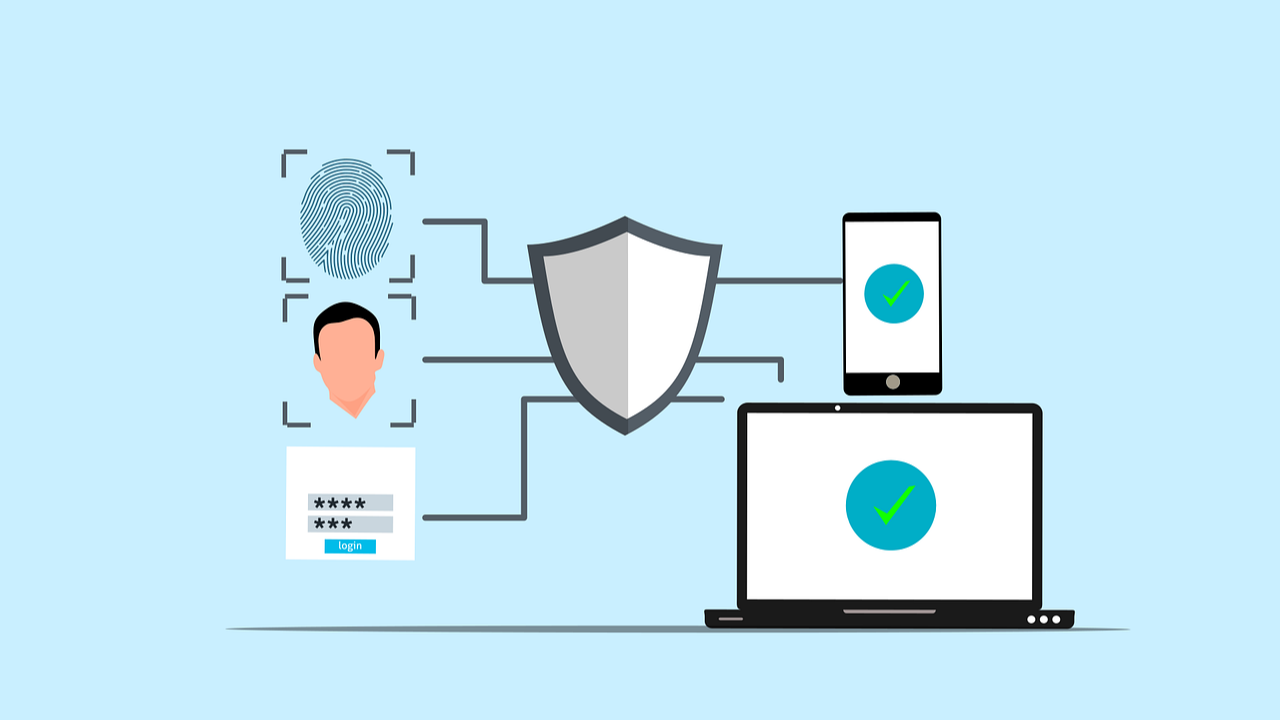
Privacy and security — the account should support two-factor authentication and minimize data leakage risks. - Region and geo-targeting — for precise audience targeting, choose an account with the appropriate location.
- Tool compatibility — the account must work correctly with legitimate scraping and automation tools.
These parameters help reduce the risk of suspension and ensure smooth operation within marketing workflows.
LinkedIn scraping: step-by-step guide
LinkedIn scraping involves collecting publicly available data about contacts and companies for further analysis.
A safe scraping algorithm includes:
- Define your goal and data volume — segment your audience to avoid exceeding LinkedIn limits.
- Use trusted tools — only compliant and safe solutions with built-in safety features.
- Set up account and session rotation — this reduces the risk of bans during large-scale data collection.
- Analyze results and clean your database — remove duplicates and verify data relevance.
- CRM integration — automate data processing without violating platform policies.
By following these steps, you maintain account safety and ensure high data accuracy.
Common mistakes and risks
- Using fake accounts or bulk proxies without proper limit control.
- Ignoring two-factor authentication and anti-fraud settings.
- Scraping without geo-targeting, leading to low-quality leads.
- Skipping proper account warm-up process and verification, which can result in quick account suspensions.
To avoid issues, follow simple rules: a regular account warm-up process, limit control, and work only with trusted accounts and tools.
Checklist before buying a LinkedIn account
- Profile age and activity meet security requirements.
- Two-factor authentication is enabled.
- The account has an established history of trusted sessions.
- Geo-targeting matches your audience.
- Compatibility with selected scraping and automation tools.
- Ability to safely integrate with CRM or workflows.
- Minimized risk of bans and anti-fraud flags.
This checklist helps you choose an account that will work efficiently and safely.
How to use a LinkedIn account correctly?
LinkedIn accounts are a valuable resource for digital marketing and business process automation. Choosing the right profile, conducting safe data collection, and respecting platform limits help reduce risks and obtain high-quality data for B2B and marketing campaigns.
Use the checklist before purchasing, plan proper warm-up and tool integration — and your account will become a reliable asset in your marketing strategy. Start using safe LinkedIn accounts today to optimize processes and increase campaign efficiency.